Marine fans are running on ships and exposed to high humidity and salt, oil contamination, and turbulent conditions. Maintenance is crucial for ensuring their readiness for use and extending service life.
Daily check, periodic maintenance, and targeted repairs are necessary as maintenance work .
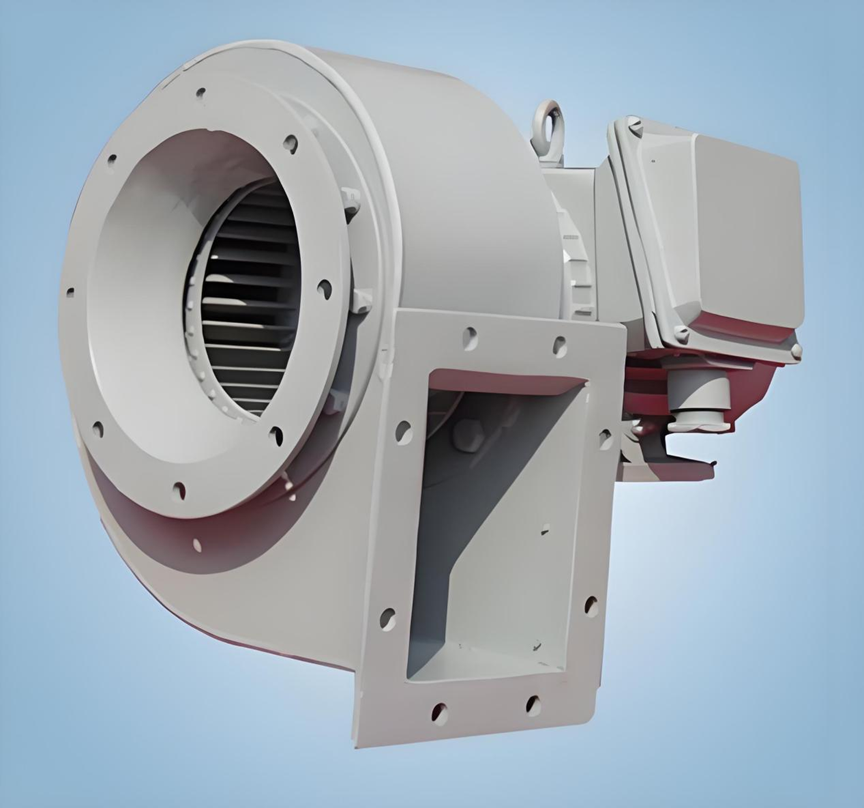
Marine fans are running on ships and exposed to high humidity and salt, oil contamination, and turbulent conditions. Maintenance is crucial for ensuring their readiness for use and extending service life.
Daily check, periodic maintenance, and targeted repairs are necessary as maintenance work .
Daily Check
Vibration Check: During each shift, listen for abnormal noises (e.g., sound from friction or impact) and observe whether vibration intensifies. If the vibration speed exceeds **7.1 mm/s**, immediately shut down the machine for inspection.
Temperature Check: Use the back of your hand to check the casing temperature and monitor the thermal meter. Ensure the motor current remains within the rated range and the AC current imbalance is controlled within **10%**.
Surface Cleaning: Clean debris and oil stains from the intake grille and fan housing promptly to maintain unobstructed airflow. Use dry compressed air for cleaning, protecting from dirty agents.
Make Maintenance Schedule
| Period | Task | Details |
| Weekly | Filter Cleaning | Check the filter pressure differential. If it exceeds twice the initial resistance, clean or replace immediately (generally at least once per week). Use compressed air to purge or rinse with clean water, then dry and reinstall. |
| Monthly | Lubrication | Replace bearing grease every **3-6 months** (explosion-proof fans and other high-speed equipment must strictly follow the manual). Use high-temperature resistant lithium-based grease, with the amount controlled at **1/3 to 2/3** of the bearing cavity. |
| Tightening | Inspect and tighten all external connection bolts. | |
| Every 6 Months | **Impeller inspection**: Thoroughly remove impeller deposits. Inspect blades for wear, corrosion, or deformation. Replace damaged blades promptly. Rebalance the system if necessary. Electrical inspection: Measure the insulation resistance of the motor windings to ensure compliance with specifications. Check for looseness or oxidation of terminal connections. **Piping Inspection**: Conduct corrosion and dust accumulation checks inside the duct. |
Quick Debugging for Common Issues
Insufficient airflow: First, clean the impeller buildup, then check for belt slippage or motor speed.
**Abnormal Vibration/Noise**: Immediately shut down the machine, inspect and remove foreign objects, and check for bearing wear and loose foundation bolts.
**Critical Operation Prohibition**: Repairs are strictly prohibited during fan operation. Before restarting after prolonged shutdown, manual rotation must be performed to check for any jamming.
Two Quick Tips
1. **Establishing records**: Create a “checking record” for each fan, documenting the time, details, and replaced components of each maintenance session. This is highly beneficial for fault analysis and spare parts management in future.
2. **Strict Compliance with Standards**: All operations must strictly adhere to the equipment manual and standards such as GB 50275-2010 “Code for Installation and Acceptance of Fans, Compressors, and Pumps”.